


South Korea’s tax agency has warned that officers may visit homes to seize offline cryptocurrency holdings — including so-called “cold wallets” — if owners fail to settle unpaid tax bills.
According to reports, the National Tax Service (NTS) made the comments in statements first reported on October 9.
Seizures And Past Collections
The move comes as part of a wider push by tax authorities that has already seen large sums recovered from delinquents.
Reports show the NTS and regional teams confiscated and sold about 146 billion won from 14,140 people between 2021 and 2024. In 2021 alone, the first year of forced collections, officials recovered 71 billion won from 5,741 cases.
Local governments have also been active. Cheongju city says it has seized crypto from 203 residents since 2021, totaling roughly 1.5 billion won.
In Seoul’s Gangnam District, officials reported reclaiming about 140 million won from a high-value tax delinquent earlier this year. These actions show local authorities are using both legal tools and new systems to track assets.
How Authorities Track Crypto
Reports describe a growing use of blockchain analytics and electronic seizure tools to spot transfers, link accounts, and identify crypto wallets tied to people with unpaid taxes.
Some municipalities are rolling out systems that match suspicious wallet addresses to on-record accounts at exchanges, allowing officials to freeze or move assets when a delinquent does not cooperate.
At the national level, authorities say they are coordinating more with exchanges to block accounts and recover funds.
Limits And Legal Questions
While the NTS stresses it has the power to recover unpaid taxes, experts and lawyers note that forcing entry into private homes or taking possession of hardware wallets raises legal and practical issues.
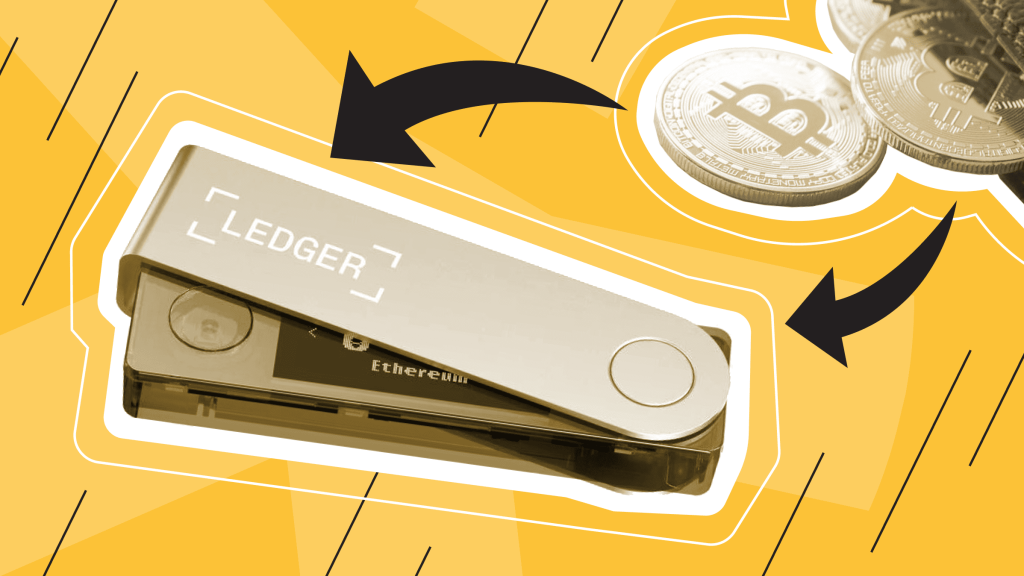
To seize a cold wallet, authorities need the device or private keys. That often requires judicial authorization or the owner’s cooperation.
Reports flag that enforcement is easier where assets sit on domestic exchanges than when they are held overseas.
What This Means For Crypto Holders
According to the coverage, the warning is meant to push compliance: freeze accounts first, request voluntary payment next, and if there is still no payment, convert assets to cash and apply them to the debt.
Officials say the sales are carried out at market price after notifying the owner and the exchange. Still, the public response has ranged from concern to calls for clearer rules about how far tax agents may go in private spaces.
Featured image from Gyeongbokgung Palace, Seoul, South Korea by AdobeStock, chart from TradingView