

The post Japan’s FSA To Tighten Crypto Lending Rules, Proposes Limits For IEOs appeared first on Coinpedia Fintech News
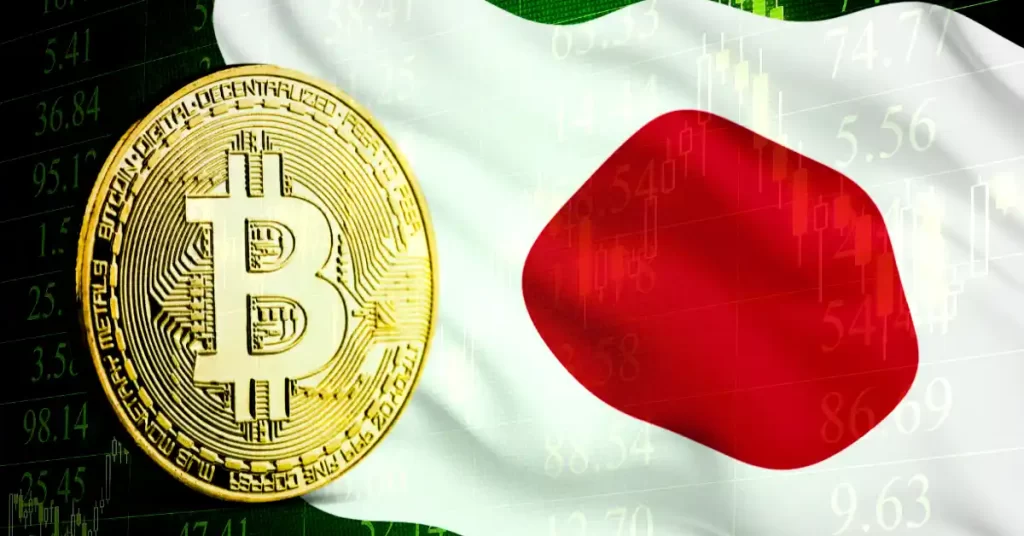
Japan’s crypto space is evolving fast as regulators step up efforts to tighten the rules.
Regulators are working to keep investors safe by adding more strong protections while also supporting major projects. This shows that Japan’s crypto market is moving into a more structured and closely watched phase.
FSA Tightens Crypto Lending Rules
Japan’s Financial Services Agency (FSA) held the fifth meeting of the Financial System Council’s Working Group on Cryptocurrency Systems, which was focused on tightening rules for crypto lending businesses. The FSA also indicated plans to bring these businesses under the Financial Instruments and Exchange Act.
Currently, if a company manages crypto assets or offers them for staking, it has to register as a crypto asset exchange. However, if the activity is conducted in the form of borrowing, then it does not constitute as management. This creates a loophole that allows businesses to operate without registration.
The FSA is concerned that users take on the risks like credit risk and price fluctuation risks, while the companies are not required to keep funds separate or use secure storage like cold wallets.
However, the new rules will require businesses to set up risk management systems for sub-lending parties and staking contractors, keep stored crypto safe, clearly explain risks to customers, and regulate advertising.
Some committee members also questioned regulating off-chain exchanges since staking is inherently conducted on-chain.
New Investment Limits For IEOs
The meeting also proposed introducing investment limits, based on equity crowdfunding rules. This is to prevent the investors from overinvesting when issuers raise funds from the public in an IEO (Initial Exchange Offering) without undergoing a financial audit.
In equity crowdfunding, investments over 500,000 yen are capped at 5% of a person’s income or assets, with a maximum of 2 million yen. In past domestic IEOs, about 90% of investors bought 500,000 yen or less.
One committee member pointed out that because IEOs are traded on the secondary market right after issuance, setting investment limits in the primary market may not work as investors can easily exceed the limit through more purchases.
FSA Backs Stablecoin Initiative
The regulator recently announced that it is backing a stablecoin initiative by the nation’s top banks- MUFG, Sumitomo Mitsui, and Mizuho to jointly issue stablecoins. The stablecoins will be tested for cross-border payments, while the FSA will review their legal and regulatory compliance.
The FSA is also considering a major policy shift that could let banks buy and hold cryptocurrencies for investment and plans to introduce new rules banning crypto insider trading.
A report from Reuters shows that crypto exchanges and financial firms in Japan are rushing to offer new services and trading options amid rising interest for digital assets in the country and expectations of easier rules.