

Crypto no longer exists in a vacuum. It’s now deeply tied to global policy and infrastructure strategy.
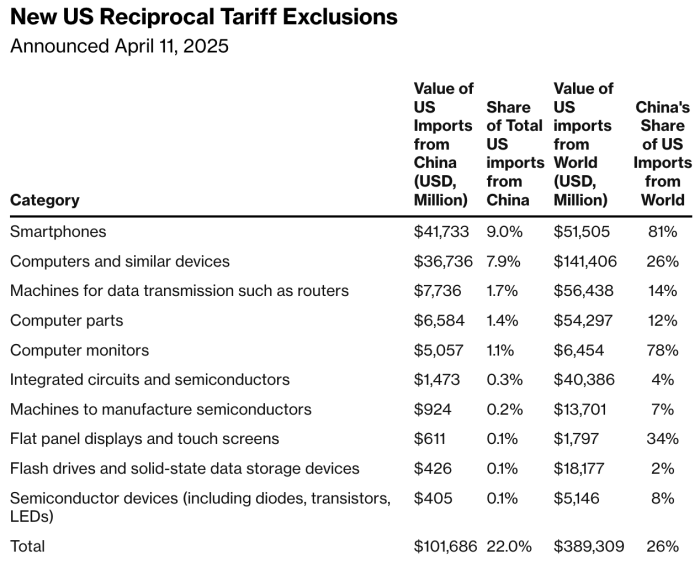
In April 2025, the Trump administration imposed sweeping tariffs on Chinese imports, but spared smartphones and computers, signaling that critical digital infrastructure is off-limits – even in trade wars.
At the same time, the UK is calling for a new global tech alliance focused on resilience and innovation.
In this shifting landscape, investors are flocking to Solaxy ($SOLX), the first Solana Layer 2 built to fix congestion, scale with demand, and bridge Ethereum’s massive DeFi liquidity.
It’s not just another altcoin – it’s the kind of infrastructure today’s digital economy is demanding.
Global Tech Policy Is Shifting – Crypto Needs to Keep Up
UK finance minister Rachel Reeves has called for an “ambitious new relationship” with the EU, signaling efforts to strengthen economic ties with Britain’s biggest trading partner. As US tariffs add pressure globally, the UK is clearly prioritizing long-term digital infrastructure.
The world is waking up to the fact that everything from smartphones to blockchains now plays a central role in economic stability.
Meanwhile, in the U.S, President Trump’s administration has drawn a clear line between what’s considered essential and what’s expendable.
Despite tariffs reaching up to 125% on many Chinese goods, smartphones and computers were exempted – underscoring the importance of protecting core technology.
This shift affects crypto, too. As blockchain moves into the mainstream, clunky, isolated platforms are no longer enough. Investors and regulators alike are paying attention to networks that are scalable, reliable, and flexible across ecosystems.
Solaxy ($SOLX) is a new crypto project that fits this global model.
It’s the first Layer 2 built on Solana, solving the chain’s long-standing issues like congestion and failed transactions, while keeping its biggest strengths: speed and low fees.
As global priorities shift toward protecting and scaling digital infrastructure, Solaxy stands out – not as a niche tool for traders, but as a foundational layer for the future of crypto.
Solaxy ($SOLX) – The First Solana Layer 2 That Actually Solves the Problem
Solaxy ($SOLX) is the first-ever Layer 2 built on Solana – and it’s doing what Solana alone couldn’t. It eliminates congestion, failed transactions, and scalability limits, while enhancing the chain’s key strengths: speed, low fees, and user efficiency.
This isn’t just a patch – it’s a full upgrade. Solaxy gives developers and users a platform that’s faster, more scalable, and far more reliable during peak demand.
The native token, $SOLX, is multichain and launching on both Ethereum and Solana.
That means it connects the largest DeFi and asset tokenization ecosystem on Ethereum with the high-speed trading playground of Solana. Traders no longer have to choose between liquidity and performance – they get both.
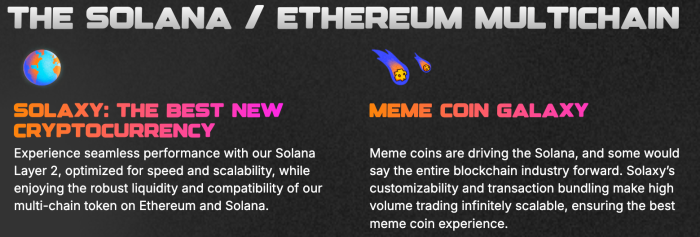
Solaxy also levels the meme coin battlefield. It gives everyday traders sniper-level speed and reliability without the usual tech barriers.
With most Layer 2 tokens now valued over $1B, Solaxy is emerging as the market leader in a space Solana never had until now.
$SOLX Multichain Reach and a Presale Heating Up
$SOLX is built for accessibility and massive reach.
The presale accepts cards, $BNB, $ETH, and $SOL – making it easy for buyers across the three most active chains in the world to participate.
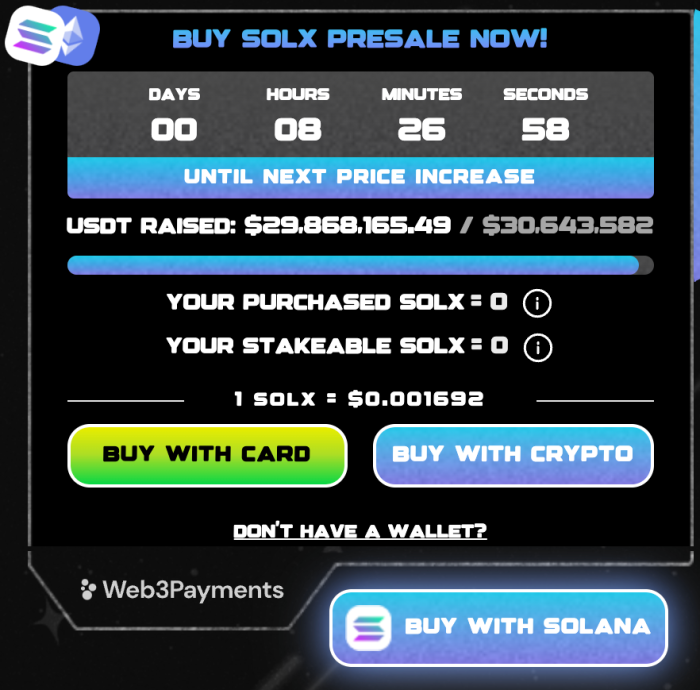
With nearly $30M already raised and a current presale price of just $0.001692, this could be the final opportunity to get in before the token hits the open market.
By bridging Ethereum’s liquidity with Solana’s speed, $SOLX doesn’t just expand access – it exponentially increases its own buyer pool, positioning itself as a true gateway to multichain DeFi.
The Future of Crypto Infrastructure Might Start Right Here
As governments and investors alike get serious about digital infrastructure, the crypto world needs solutions that are fast, scalable, and built for the multichain future.
Solaxy checks every box – and with $SOLX still in presale, smart investors are moving fast to grab their share of what could be the most important Layer 2 launch of the year.
Before you start investing, don’t forget to DYOR (do your own research), as this article is for informational purposes only and doesn’t constitute financial advice.