


Japan’s tough approach to crypto taxes is holding back both buyers and sellers. A survey of 1,500 adults in April found that just 13% currently own Bitcoin, Ethereum or other cryptoassets. Many say they’d be ready to dive in—if only Tokyo eased the tax burden.
Majority Back Flat Tax
According to the Japan Blockchain Association, 84% of the 191 people who already hold crypto would buy more if profits faced a flat 20% levy.
And 12% of the 1,309 non‑holders said they’d start buying bitcoin or other cryptos under the same rule. That’s a big shift from today’s system, where crypto gains land under “other income” on tax returns.
Right now, profits from bitcoin or crypto can be taxed at rates up to 55%, depending on your bracket. That’s far higher than the 10–20% flat rate that applies to stocks in many other countries.
Based on reports, the JBA is pushing to move crypto into the same capital gains category, arguing it would boost trading volumes on local exchanges.
Survey Shows Simple Rules Appeal
Three quarters of survey participants said they’d rather have taxes withheld at the source when they sell bitcoins, instead of filing separate paperwork.
The JBA has asked Tokyo to let traders choose whether to pay at the point of sale or when they file their annual return. That flexibility could ease headaches for both hobby investors and pros.
The poll looked deeper into why some people still won’t touch crypto. Just 8% blamed high taxes, while 61% said they don’t feel they know enough about digital coins.
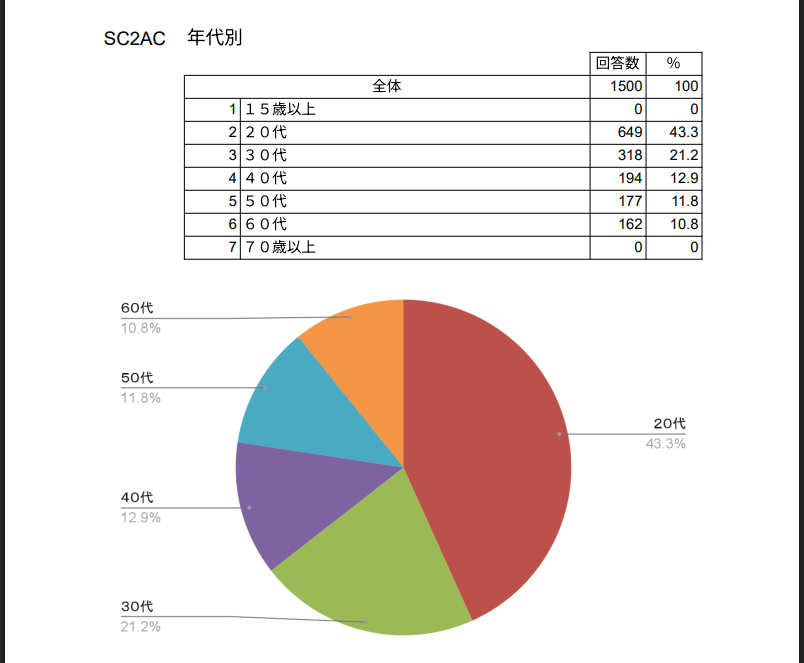
The sample was 60% male and 40% female, with an average age of 38. Students made up 5.3% of the group, and 213 people said they were unemployed.
FSA Considers Broader Reforms
According to reports from the financial regulator, the Financial Services Agency is weighing a proposal to shift bitcoin under the Financial Instruments and Exchange Act.
If approved, that would officially treat digital assets as financial products—and could pave the way for a unified 20% tax by as early as next year.
Exchanges like bitFlyer already see Ethereum trades account for almost half of their volume. Any change could reshape Japan’s crypto market—by making it simpler to trade, and by bringing more people into the fold.
Featured image from Travel+Leisure, chart from TradingView