


Bitcoin Magazine
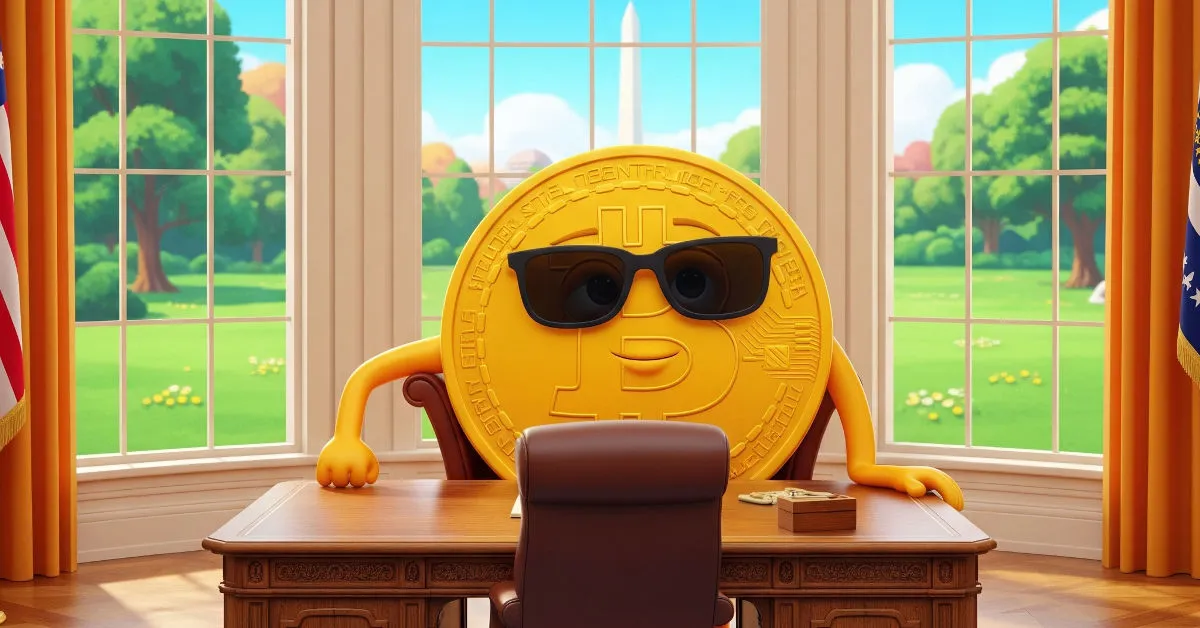
200 Days of the Bitcoin President — Is Donald Trump’s Second Term Cause for Celebration or Concern?
Donald Trump has held office as the 47th president of the United States since January 20, 2025. At a little over 200 days, it seems a good time to recap where the “Bitcoin President” has paved the way to make the United States the proclaimed “crypto capital of the world,” and where we will go from here.
First, under Trump’s second presidency, many prominent industry actors have seen favorable outcomes to the legal troubles they had faced under previous administrations.
Terra/Luna founder Do Kwon reached a plea agreement with the Department of Justice, finding him guilty of just two of the total nine charges for losing investors over $40 billion over the course of days. The second circuit overturned the conviction of former OpenSea product manager Nathan Chastain for insider trading. The SEC dropped its cases against the cryptocurrency exchanges Gemini and Coinbase, paused its lawsuit against Binance and reportedly ended its investigations into Consensys, Robinhood, and Uniswap.
Meanwhile, Tron founder Justin Sun, who didn’t just face charges by the SEC over offering unregistered securities but was reportedly also subject to a DOJ investigation, now dines with the president.
On the regulatory side, things are also looking up, with everybody and their mother announcing plans to issue stablecoins, from Ripple to the state of Wyoming, thanks to the only legislature that has so far made it into law: the so-called GENIUS Act. And while we still have no idea how much bitcoin the U.S. Government holds, as 200-plus days are apparently not enough to round up a comprehensive audit, the cheer for the bitcoin strategic reserve continues — except that the government appears to have no plans to actually buy the bitcoin, but will rather pivot to seizing it from, well, you.
Everybody Is A Money Transmitter
What’s most notable is that each one of the aforementioned industry players relies heavily on the development of open source technologies. Without open source, not a single one of the mentioned platforms would have anything to trade, let alone to build. And for the developers of open source technologies, the president’s plans seem more than grim.
In July, Samourai Wallet developers Keonne Rodriguez and William Hill pleaded guilty to conspiracy to operate an unlicensed money transmitting business, facing up to five years in federal prison. A week later, Tornado Cash developer Roman Storm was found guilty by a jury in the Southern District of New York of the same offense.
Both prosecutions proceeded despite a memo issued by Deputy Attorney General Todd Blanche in April, which was widely celebrated to put an end to the DOJ’s attempts to make new laws through prosecutions explicitly calling on the DOJ to no longer charge developers of software for the actions of their users. While widely celebrated, the memo left so much room to continue exactly such prosecutions that it was about as reliable as the Trump administration’s promises to release the Epstein list.
Regulatory clarity for developers has since been at an all-time low. According to the outcomes in Samourai Wallet and Tornado Cash, noncustodial software developers may no longer be charged for not having a money transmission license, but they may be charged for the transmission of illicit proceeds. So, are noncustodial software developers money transmitters that could face criminal charges in the U.S.? Your guess is as good as mine.
What’s clear is that the verdict against Roman Storm has set a so-called persuasive precedent, meaning that anyone building non-custodial tools could be charged with a federal offense at the DOJ’s discretion.
Bringing the PATRIOT Act to Digital Assets
In terms of digital asset legislation, the last months have also been turbulent. While the GENIUS Act was much anticipated — though arguably more so by those who wear suits and those who pay for them — it also opened the door to the application of the Bank Secrecy Act, a law that mandates anti-money laundering and KYC requirements.
While the GENIUS Act officially codifies certain rules for stablecoin issuers as financial institutions, the Treasury has since requested public comment on the application of digital identities to so-called DeFi services in relation to the GENIUS Act that would require non-custodial service providers to check a user’s identity credentials before executing transactions.
Overall, the Treasury’s idea is that it’s acting in accordance with one of Trump’s first executive orders on Strengthening American Leadership in Digital Financial Technology, which aims to promote the “responsible growth and use of digital assets, blockchain technology, and related technologies” — keyword being “responsible.”
What is meant by such “responsible” growth was finally revealed in the first White House Digital Assets Report last month, tasking Congress to create new sub-categories in the Bank Secrecy Act for digital assets, as well as asking FinCEN to consider next steps in the Biden-era mixer rule: This regulation that would outlaw pretty much any chance at transactional privacy, including the use of new, non-KYC addresses.
If this may sound unconstitutional to you — since, you know, code is speech in this country — I regret to inform you that where we are going, we won’t need a Constitution. The majority of ideas floated by the president are governed under the PATRIOT Act, which the White House has asked Congress to specifically expand to digital assets — and the PATRIOT Act trumps the Constitution every time, pun very much intended.
In short, the Bitcoin Presidency may sound great on paper, but in reality, the environment to develop code in the U.S. has never been more hostile. The Trump administration must drastically change course if it aims to actually fulfill its promises to Bitcoin users.
Until then, it seems we would be well advised to issue caution when the government invites us to “come home” to build our services in the crypto capital of the world, as you may only get to see it from the inside of a prison cell.
This post 200 Days of the Bitcoin President — Is Donald Trump’s Second Term Cause for Celebration or Concern? first appeared on Bitcoin Magazine and is written by L0La L33Tz.