

Bitcoin Magazine
Nepalese Protestors Should Permanently Embrace Bitchat as Well as Bitcoin and Other Freedom Tech

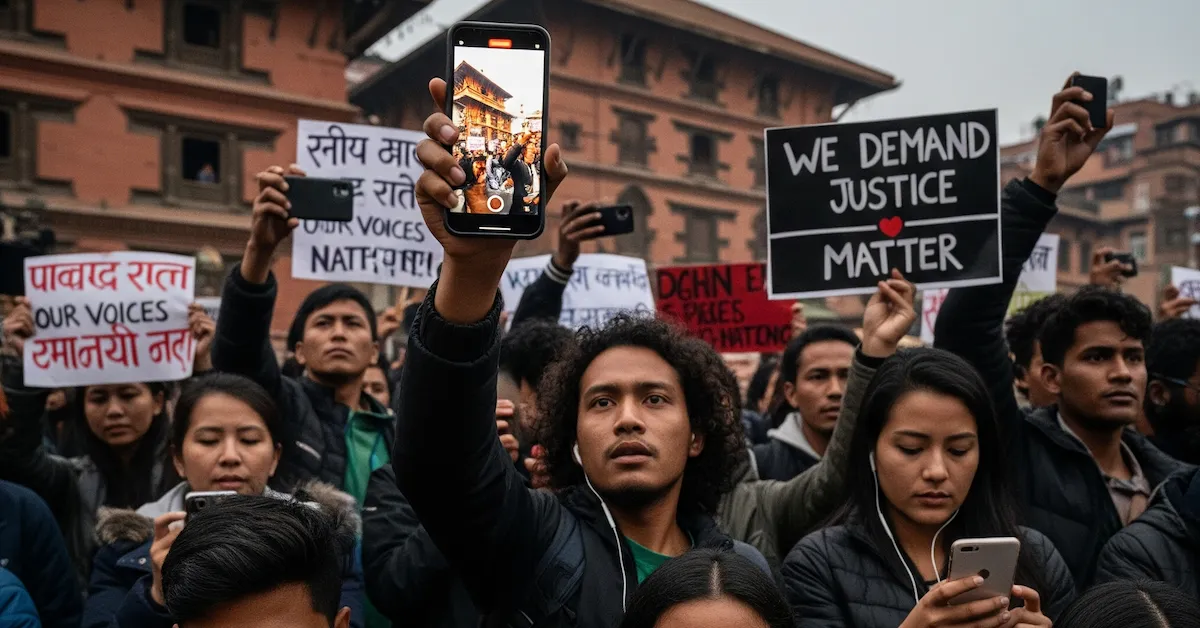
On Monday, September 8, 2025, Nepalese youth began protesting on the streets of Kathmandu in response to the Nepali government’s banning 26 major social media platforms on Thursday, September 4, 2025.
At the height of the protests, the Nepalese protestors began downloading Bitchat, a new app created and developed by Twitter/X and Block founder Jack Dorsey and open-source developer Calle.
The app, a censorship-resistant messaging app that harnesses Bluetooth mesh technology as well as the Nostr protocol and that doesn’t even require an internet connection to use, was downloaded almost 49,000 times on September 8 in Nepal, according to data shared by Calle on X.
Bitchat allowed the protestors to permissionlessly communicate with one another as they ousted the country’s prime minister (and burned down the country’s parliament building).
The Lesson for Nepali Youth
The lesson here is that apps like Bitchat are not only important tools to use in the wake of the blackout of centralized communications services and during protests, but that they are instrumental in preserving rights that underpin free and open societies.
In our modern digital world, we must preserve the freedom to not only communicate online but also to transact in the digital space.
A tool like Bitchat, which currently enables the former, should also soon enable the latter, according to reporting from Forbes, which cited Calle, who voiced his goal of enabling Bitcoin-based Ecash transactions via Bitchat in the near future.
By embracing tools like Bitchat, Bitcoin, Ecash, and Nostr — freedom tech staples — the Nepali youth can help to prevent the type of abuse of power that they just protested against.
For example, Nostr and the various social media clients built on top of it, cannot be banned or shut off, which means the Nepali government wouldn’t have even had the power to take the action that sparked the protests.
Freedom tech doesn’t just exist to help people fight the battles to get their freedom back — it’s there to help them maintain it, as well.
This article is a Take. Opinions expressed are entirely the author’s and do not necessarily reflect those of BTC Inc or Bitcoin Magazine.
This post Nepalese Protestors Should Permanently Embrace Bitchat as Well as Bitcoin and Other Freedom Tech first appeared on Bitcoin Magazine and is written by Frank Corva.